Fassbender in HOPE
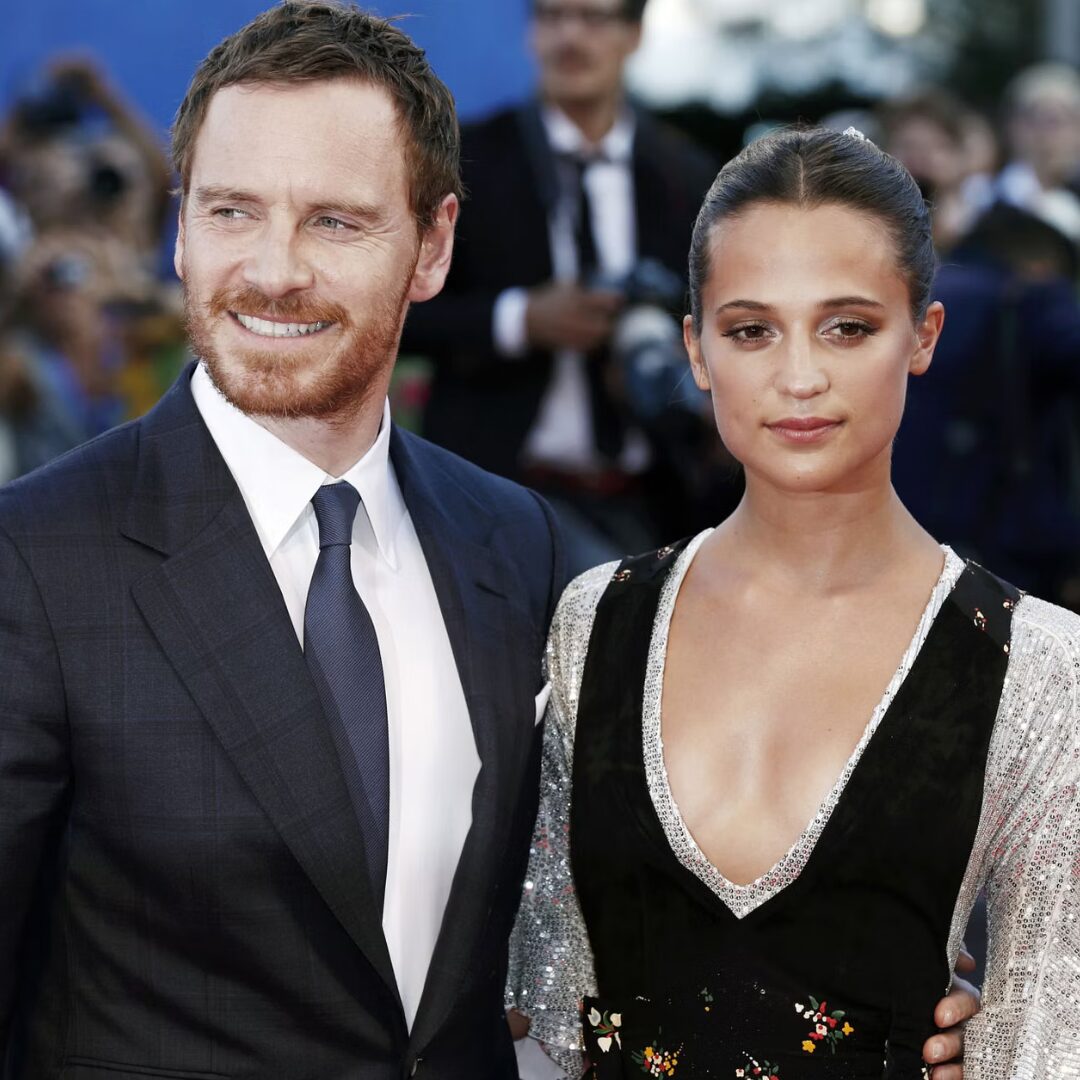
HOPE presents a genuinely distinctive take on the alien invasion genre by filtering it through a South Korean sensibility and sensibilities. Rather than positioning extraterrestrials as a monolithic threat, director Na Hong-jin uses the alien visitors from planet Gh’ertu as a vehicle to explore class divisions and social hierarchies—the aliens themselves represent “all kinds of shapes and class divisions from that planet.” This suggests the film isn’t simply about humans versus invaders, but about how power structures and inequality manifest across species and worlds.
What makes the premise particularly compelling is how it subverts casting expectations. Having three major English-speaking actors—Michael Fassbender, Alicia Vikander, and Taylor Russell—play the antagonistic aliens is audacious. Typically, Hollywood casts recognizable stars as human heroes fighting off alien threats. Here, the prominent roles go to the extraterrestrial antagonists, forcing audiences to spend significant screen time inhabiting the perspective of the “bad guys.” The aliens aren’t faceless invaders but fully realized characters with their own internal dynamics, being members of Gh’ertu’s royal family.
Director Na’s approach also promises tonal unpredictability. Fassbender noted that Na is “mixing genres, comedy, then absurd, then very real”—suggesting HOPE refuses to settle into conventional sci-fi melodrama. This genre-blending could create moments of dark humor alongside genuine dread, absurdist sequences alongside grounded human drama. A rural South Korean town called Hope Harbor becomes the collision point for these wildly different worlds, which itself carries thematic weight about globalization, invasion, and what “hope” actually means when everything familiar is upended.
The film’s ambition lies in asking audiences to reckon with antagonists as complex beings rather than obstacles to overcome.