PRESSURE trailer released
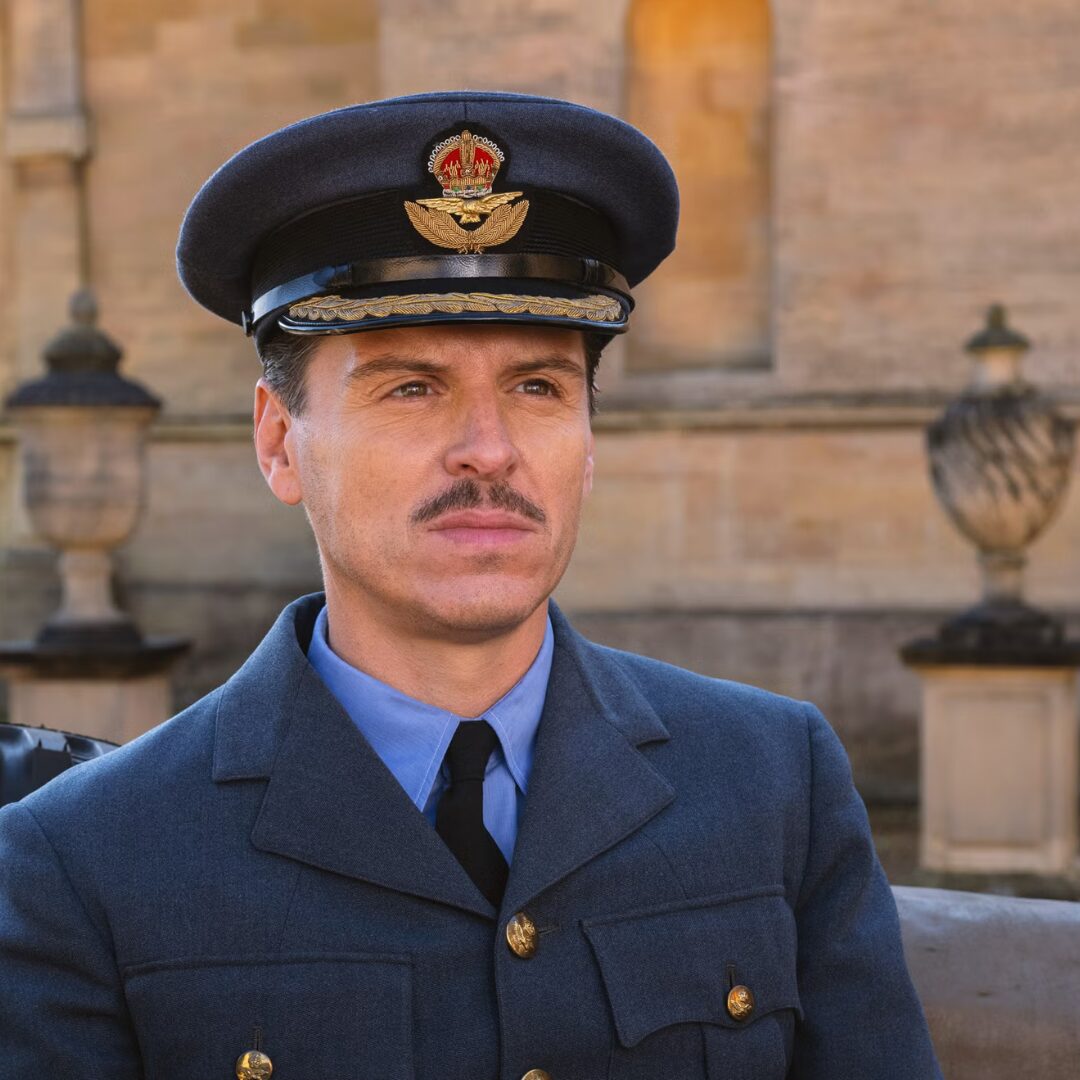
One of Ireland’s most celebrated actors is stepping into one of history’s most consequential moments. Andrew Scott has been cast in the upcoming World War II drama PRESSURE, a film that shines a spotlight on the untold human story behind the D-Day landings—specifically, the man whose shoulders bore the weight of one of the most critical meteorological decisions of the war.
Scott portrays James Stagg, a real-life meteorologist who faced an almost unimaginable responsibility: predicting the weather conditions that would determine whether the Allied invasion of Normandy could proceed at all. This wasn’t merely a matter of academic accuracy; the stakes were existential. A wrong forecast could have spelled catastrophic failure for the operation. A delay risked exposing the entire mission to enemy detection and compromise. In the hands of one man’s calculations lay the fate of thousands of soldiers and the trajectory of the war itself.
The film unfolds across seventy-two agonizing hours before D-Day, capturing the mounting tension as Stagg works in close collaboration with the Allied commanders tasked with orchestrating the invasion. But at the emotional core of PRESSURE lies the fraught relationship between the meteorologist and General Dwight D. Eisenhower, played by Brendan Fraser—the supreme commander bearing ultimate responsibility for green-lighting the operation. It is a study in the human cost of command, the burden of expertise, and the impossible choices demanded of those who must act decisively with incomplete information.
By centering the narrative on the personal and professional dynamics between these two men, PRESSURE offers audiences something rare: a window into the quiet, unglamorous decisions that shaped the course of history. Rather than dwelling on battlefield heroics, the film examines the tension between science and strategy, between the men who read the clouds and the commanders who must read the moment. It is a deeply human drama about the weight of responsibility, the vulnerability of those entrusted with momentous choices, and the way that pivotal historical events often turn not on grand gestures but on conversations in cramped rooms between exhausted men facing impossible odds.
With Scott’s commanding presence and Fraser’s embodiment of Eisenhower’s burden, supported by Kerry Condon and an ensemble cast, PRESSURE is positioned to deliver a gripping and emotionally resonant examination of one of the Second World War’s most pivotal hours—told through the eyes of those who lived it.