Caitriona Balfe in TENZING

Caitriona Balfe in TENZING

Caitriona Balfe in TENZING

Caitríona Balfe has never needed a reminder to fly the flag for Irish talent, and this week in Toronto she did it again. The Monaghan-born Outlander star turned up at the Toronto International Film Festival for the premiere of TENZING, a biographical drama that revisits one of the twentieth century’s great human achievements: the first ascent of Mount Everest in 1953.

The film tells the story of Tenzing Norgay, played by Phuntsok, a Himalayan climber whose skill and determination have long been overshadowed in the popular telling of that expedition, which paired him with New Zealand mountaineer Edmund Hillary, played here by Hiddleston. Encouraged by his wife Dawa, played by Lhamo, Tenzing finds an unexpected ally in expedition secretary Jill Henderson, the role taken on by Balfe, and together they make the case to Colonel John Hunt, played by Dafoe, that Tenzing deserves a place on the British climbing team as an equal rather than a guide serving it from the margins. That argument sits at the heart of TENZING‘s tension, since where the Western climbers speak of “Everest” as a summit to be conquered, Tenzing holds “Chomolungma” as a sacred mother goddess, a mountain to be honoured rather than claimed.

The film traces the expedition through that clash of worldviews as much as through the physical dangers of the climb itself, weaving in the frictions of class, background and ambition that shadow the team even as they ascend together. Yet somewhere above the clouds, those distinctions of empire and rank begin to fall away, leaving two outsiders who find in each other a rare mutual trust, and leaving Tenzing, at last, at the summit of both a lifelong dream and a spiritual calling. For Balfe, whose career has carried her across continents and franchises, the trip to TIFF for TENZING was another quiet showcase of Irish talent taking its place on the world stage.

Irish Film

Tea with Saoirse Ronan

Tea with Saoirse Ronan

 Tea with Saoirse Ronan

There’s something quietly disarming about watching Saoirse Ronan step away from the usual press junket noise and into a park with a mug of tea in hand. That’s the premise of A MUG OF LIFE, the BBC Breakfast segment that trades red-carpet small talk for something slower and more honest, as Ronan reflects on personal transitions, her enduring pull toward songwriting and storytelling, and the value of staying present in a noisy world. Four Oscar nominations into a career that started in childhood, she talks with the ease of someone who has made peace with not having all the answers, tracing her happiest moments back to nature rather than the industry around her.

That same appetite for risk shows up in BAD APPLES, landing in UK cinemas September 18. Directed by Jonatan Etzler, the dark comedy casts Ronan as Maria, an idealistic Somerset primary school teacher who, after one disastrous encounter with her most disruptive pupil, ends up locking the boy in her basement. Critics are split in the best way: TIME OUT gave it four stars and called Ronan the best thing in it, Sight & Sound praised its wicked suggestion that the real rot sits with the adults, and Letterboxd reviewers have hailed it as a radical, fearless turn for her. Others were cooler, with VARIETY noting the premise makes for tricky commercial footing and THE SCOTSMAN arguing the satire gets dulled by how far the plot strays from reality.

Together, the two make a striking contrast, one Ronan calmly sipping tea and reflecting on stillness, the other locking a ten-year-old in a basement. Either way, it’s a reminder of just how wide her range continues to stretch.

Irish Film

Neeson on THE LOST CHILDREN OF TUAM

Neeson on THE LOST CHILDREN OF TUAM

Neeson on THE LOST CHILDREN OF TUAM

There are stories an actor takes on, and then there are stories that take hold of an actor. For Liam Neeson, the Tuam mother and baby home scandal was the latter, and it left him so shaken that, for the first time in his career, he stepped behind the camera as a producer to make sure the world couldn’t look away from it.

The 74-year-old Irish star has now opened up about the moment everything changed for him: reading a 2017 New York Times investigation into St. Mary’s Mother and Baby Home in Tuam, County Galway. Written by Dan Barry, the piece drew on the painstaking research of local historian Catherine Corless, who uncovered evidence that almost 800 infants and children had been buried in unmarked graves and a disused sewage tank on the grounds, victims of the Catholic nuns who ran the home from the 1920s through the 1960s.

Neeson, raised Catholic and once an altar boy, didn’t mince words about his reaction. Speaking to Variety nearly a decade after first reading the article, he described feeling “a growing rage, an embarrassment,” admitting he was “staggered” by what he learned. That anger crystallized into purpose. As he put it, it was the first time in his professional life he thought: whatever weight his celebrity carried in the industry, he wanted this story told to as many people as possible.

That resolve became THE LOST CHILDREN OF TUAM, with Neeson producing for the first time. He brought on director Frank Berry, the filmmaker behind MICHAEL INSIDE and AISHA, and cast Monica Dolan, 57, in the role of Catherine Corless. Neeson was deliberate about the tone he wanted, choosing a director who would let the story breathe rather than lean into shock, trusting that the horror of what happened would reveal itself without being forced.

THE LOST CHILDREN OF TUAM had its world premiere at the Galway Film Fleadh in July 2026 and went on to its international premiere at the Toronto International Film Festival on September 13. Irish audiences will get their first chance to see it in cinemas on September 25 through Volta Pictures, with a UK release following on October 9 via Picturehouse Entertainment.

Irish Film

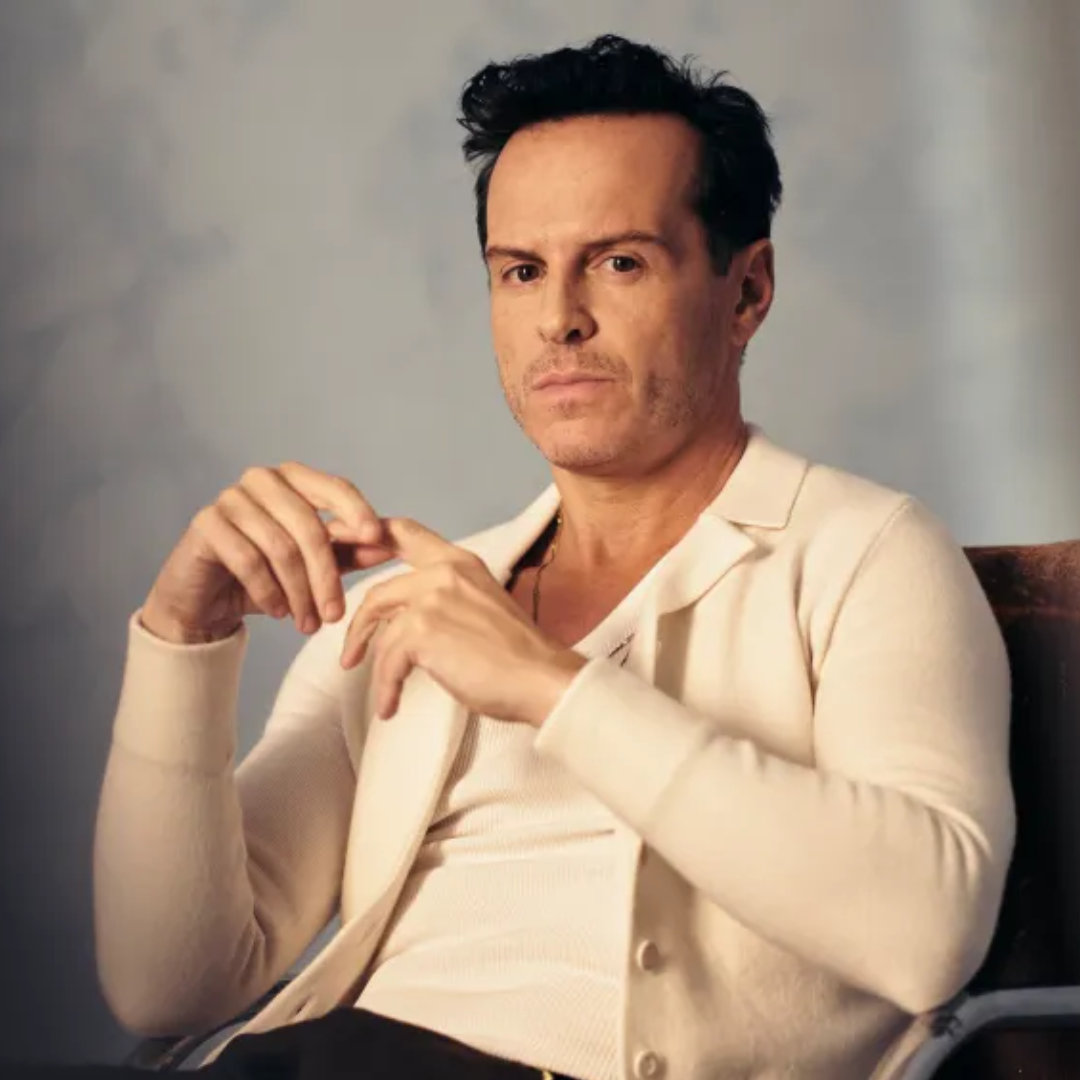
Andrew Scott VARIETY interview

Andrew Scott VARIETY interview

Andrew Scott VARIETY interview

Could Andrew Scott make history? That question has been hanging over Telluride and Toronto ever since audiences got their first look at his towering performance in ELSINORE, Simon Stone’s new drama, which premiered at Telluride before crossing over to the Toronto International Film Festival. Scott plays Ian Charleson, a Scottish actor whose momentum has stalled in the years since CHARIOTS OF FIRE made him a name. The setting is 1989, and when Daniel Day-Lewis abruptly exits a production of HAMLET at London’s National Theatre, Charleson spots his chance to prove, once and for all, what he can do on a stage — even as AIDS is quietly destroying his body, and even as his doctor, played by Olivia Colman, warns him that pushing through the role could hasten his decline.

Critics have been quick to point out how neatly the casting folds in on itself. Scott has his own history playing Hamlet in London to great acclaim, which makes watching him inhabit a man whose Hamlet becomes a final act of defiance feel less like performance and more like reckoning. At its core, ELSINORE plays like a tribute to actors themselves — to acting as a calling rather than a job, and to the nerve it takes to keep stepping into the light while your body is failing you. Buried inside that tribute is a real piece of history waiting to happen: no openly gay man has ever won the Academy Award for Best Actor, and Scott’s work here has people wondering if he could be the one to finally break that streak.

The momentum around the film was on full display Saturday, September 13, when Scott walked onto the stage of the Royal Alexandra Theatre to a wave of applause for TIFF’s “In Conversation” series. Moderated by Keith Bennie, TIFF’s vice president of public programming, the conversation gave audiences a rare, extended look at both the making of ELSINORE and the arc of a career that has been building toward a moment like this one.

Irish Film

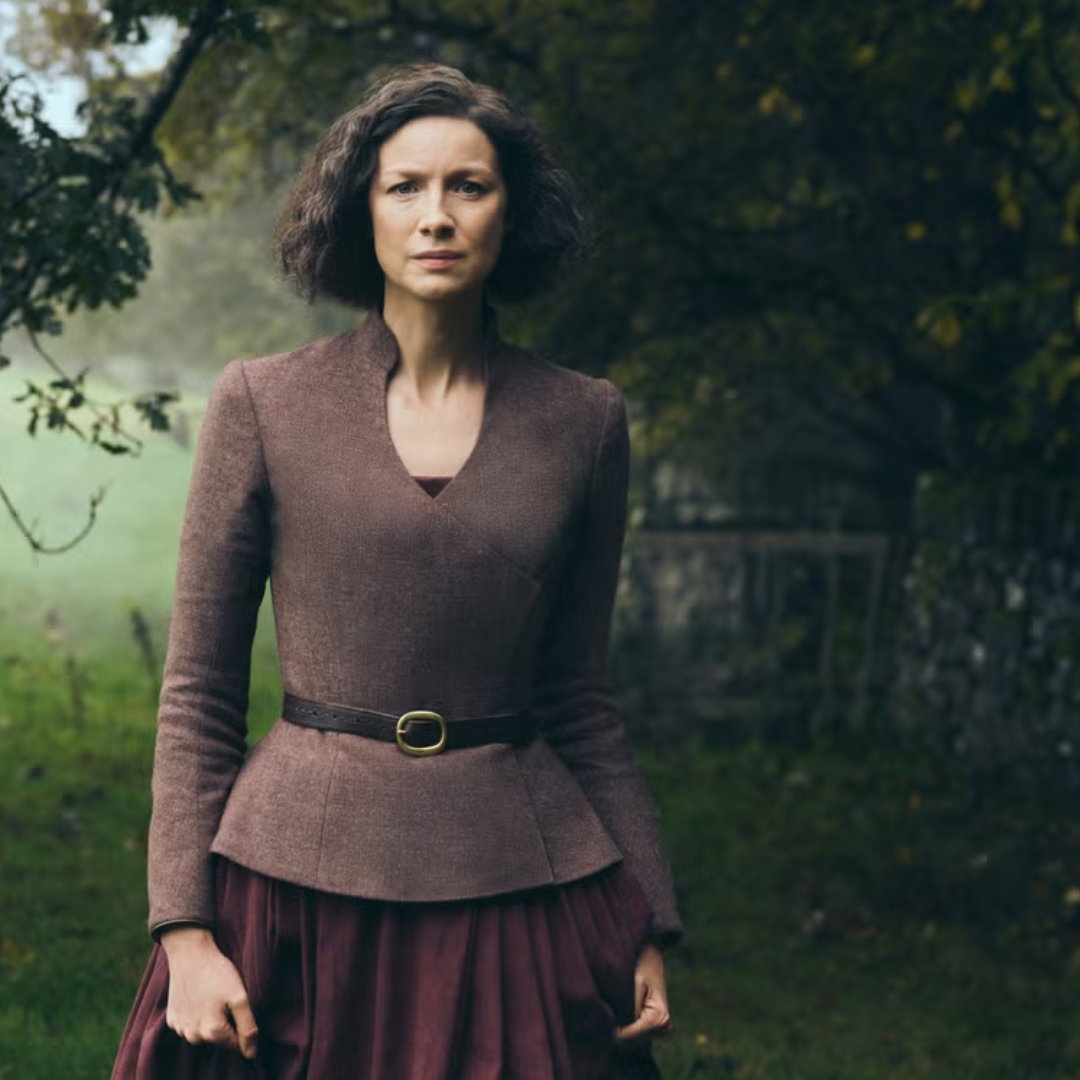
Catriona Balfe TATLER interview

Catriona Balfe TATLER interrview

Catriona Balfe TATLER interrview

Caitríona Balfe is having a moment, and Tatler’s October cover story makes the case that it’s really the culmination of a long, deliberate climb. The Monaghan-born actress, who spent a decade modelling for houses like Chanel and Louis Vuitton before pivoting to acting in her late twenties, has become one of the most in-demand names in British and Irish period drama, and the profile finds her reflecting on just how she got here from the character that made her a household name, Claire Fraser in OUTLANDER, through to the roles now lined up ahead.

Chief among them are two heavyweight literary adaptations: she’s stepping into Jane Austen’s world as Mrs Dashwood in a new SENSE AND SENSIBILITY, and taking on Daphne du Maurier’s REBECCA, two projects that mark a clear shift toward the kind of prestige literary material that tends to define a career’s next chapter rather than extend its last one. It’s a neat throughline for a profile built around reinvention: model to actress, genre television to awards-adjacent literary drama, and, throughout, an Irish performer who keeps choosing roles that reward a steady hand over flash. Tatler frames it as a rise that’s been rising for a while, and reading the trajectory laid out here, it’s hard to disagree.

Irish Film

Fassbender in HOPE

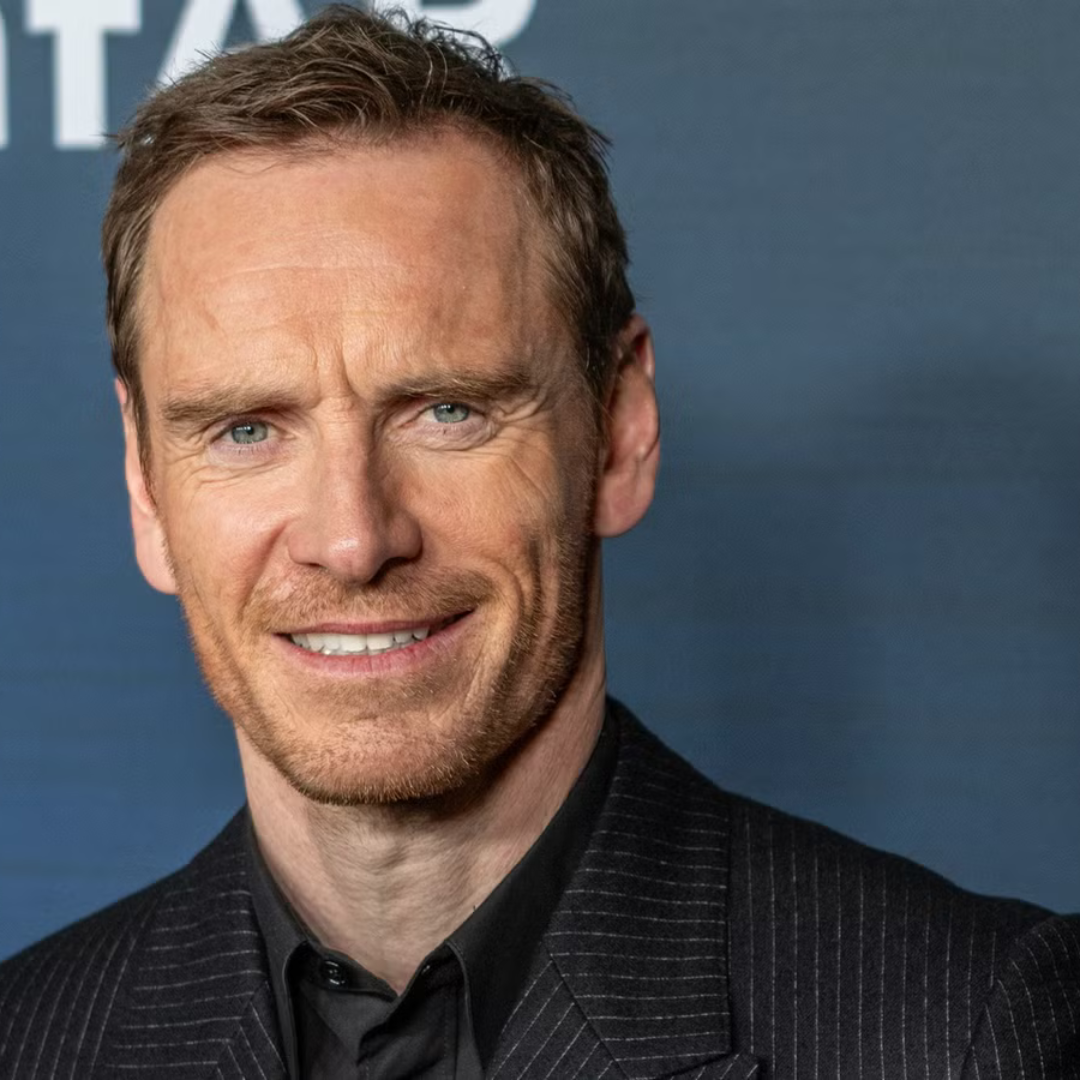
Michael Fassbender in HOPE

Michael Fassbender in HOPE

Michael Fassbender has spent the last decade proving himself one of sci-fi’s most reliable leading men, from his chilling dual turn as the androids David and Walter in Ridley Scott’s ALIEN prequels, PROMETHEUS and ALIEN: COVENANT, to his long, morally slippery run as Magneto across the X-Men franchise. But his newest genre outing throws all of that out the window. In Na Hong-jin’s HOPE, Fassbender ditches the human-savior archetype entirely, relying on full motion capture to become an extra-terrestrial creature terrorizing a remote South Korean village.

It’s a monster role through and through, and he’s not doing it alone — real-life wife Alicia Vikander joins him as part of the invading alien family whose arrival drags the rest of the ensemble into a fight for survival. The trailers have made the stakes clear, following local police and hunters as they chase a destructive, half-glimpsed presence through a burning forest, only for the situation to flip entirely: the hunters become the hunted the moment they realize what they’ve actually woken up. What starts as a rural emergency spirals into a full cosmic-scale nightmare, with a small town caught at the center of something far bigger than itself.

HOPE is set to open in US theaters on Sept. 9, 2026, and the buzz building ahead of that release is hard to ignore. Reactions out of its Cannes Film Festival premiere were rapturous, with a standing ovation and critics calling it a “spectacularly insane” blockbuster — the kind of raucously entertaining, high-octane spectacle that doesn’t come around often. Much of that praise has landed on director Na Hong-jin himself, singled out for propulsive action filmmaking and for managing to fit a sweeping cosmic conflict inside the claustrophobic dread of a small town without losing either register.

Irish Film

Keoghan narrates Taylor promo

Keoghan narrates Taylor promo

Keoghan narrates Taylor promo

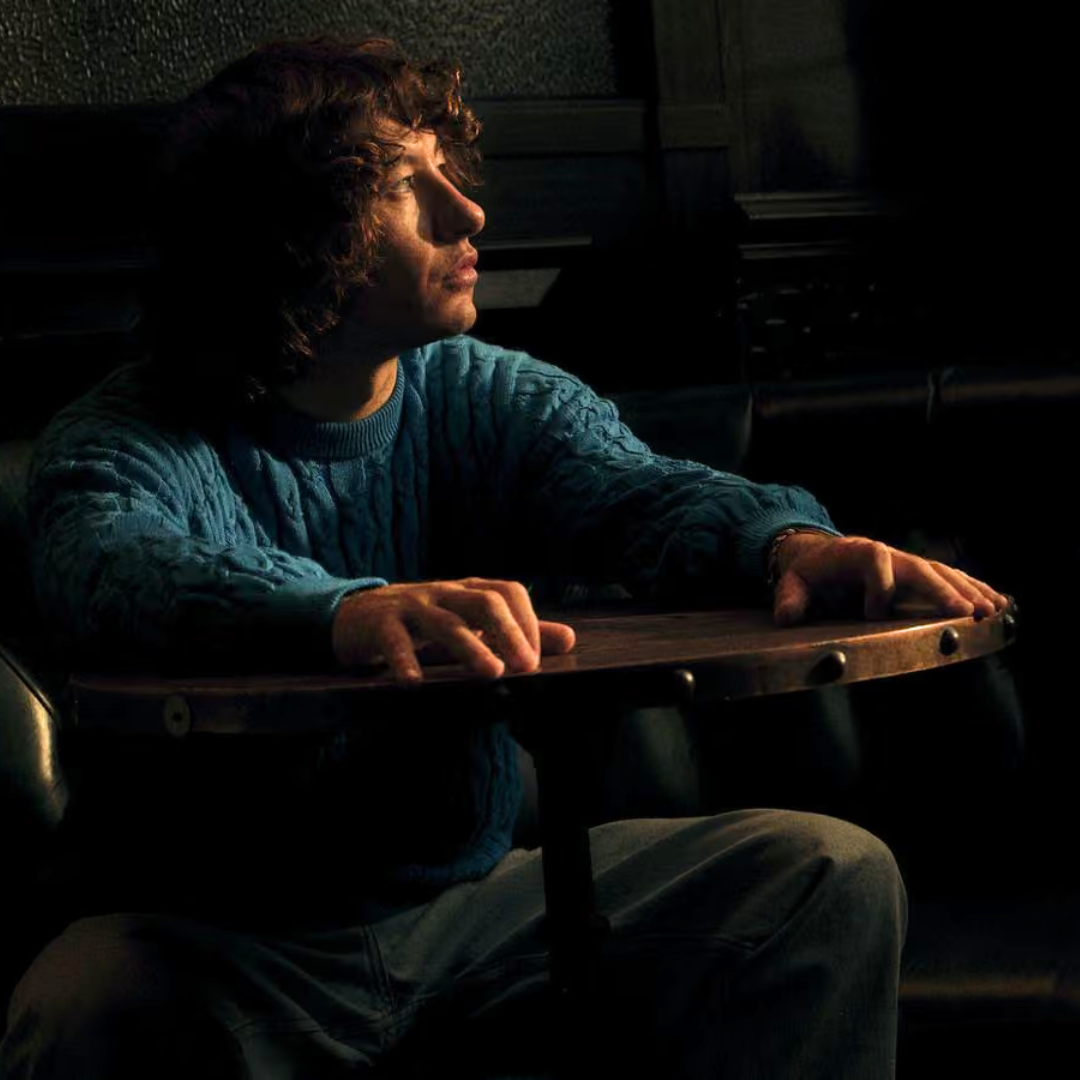
There’s a lump-in-the-throat quality to what Barry Keoghan has just done for Katie Taylor, and anyone who’s watched Ireland fall in love with her over the past two decades will feel it too. The BAFTA-winning star of THE BANSHEES OF INISHERIN, SALTBURN, PEAKY BLINDERS: THE IMMORTAL MAN and TOP BOY has lent his voice to a tribute video for the woman he calls Ireland’s greatest ever athlete, arriving just days before Taylor steps into the ring for the very last time. She headlines at Croke Park this Saturday in front of 80,000 fans, live worldwide on DAZN and non-exclusively at home on RTÉ, chasing a third reign as Undisputed Super Lightweight Champion against France’s unbeaten Flora Pili, with the WBC, WBA, IBF, WBO and Ring Magazine belts all on the line.

Directed by Matchroom Boxing’s Alex Haines, the film traces Taylor’s journey from a girl walking into a Bray boxing gym at a time when the sport barely believed women belonged there, through Ireland, Europe and the world, to a homecoming five decades in the making — the first professional fight at Croke Park since Muhammad Ali fought there in 1972. Keoghan’s narration leans into that sense of history repeating itself, closing on the idea that Taylor’s story began at home and now, fittingly, ends there too.

What makes Keoghan’s involvement land so hard isn’t just the star wattage, it’s the sincerity behind it — a fellow Dubliner and self-declared boxing fan putting his own name and craft behind hers at the exact moment she needs it most. Keoghan opens with a line that’s already being quoted across Irish sports media, about greatness rarely being found in the loudest voice, and it sets the tone for a tribute that treats Taylor less as a departing champion and more as a piece of the national story. Given how the tickets vanished in seventeen minutes flat, it’s clear the country agrees.

Irish Film

Andrew Scott on ELSINORE

ELSINORE trailer released

ELSINORE trailer released

In ELSINORE, Andrew Scott takes on the role of Ian Charleson, capturing the actor as he prepared to play Hamlet while quietly living with AIDS. Charleson was also a gay actor navigating a profession where being open about his sexuality could have derailed his career — a reality Scott, who came out publicly in a 2013 interview with The Independent, feels deeply connected to. For him, the role carries a weight that goes far beyond craft. He has spent his life in the theater, and stepping into a part that Charleson and his peers would never have been offered as working actors of their era is, in his words, still profoundly moving.

At the same time, Scott was determined not to let the film collapse Charleson’s story into his illness. He wanted audiences to see a man who was trying to live, not one being mourned in advance — someone full of vitality and humor who happened to accomplish something extraordinary, rather than a figure defined by his death. That instinct shaped how Scott approached the physical and emotional demands of playing Hamlet this time around too. He was adamant that the film reject any polite, tidy image of theater as a genteel pursuit capped off with a cocktail afterward. Instead, he wanted to convey just how punishing and Olympian the work really is — a truth that often goes unseen by audiences.

Underscoring all of this was Scott’s own grief, having lost his mother a year or two before making the film. That loss became part of the emotional undercurrent running through the performance. ELSINORE opens in theaters on November 20.

Irish Film